
Stevens County's Most Wanted Program
Stevens County organizes its Sheriff's Office into three branches: administrative, corrections, and patrol. Records and civil process sit under one roof. Prisoner booking sits under another. A most wanted program appears nowhere in that structure, and no roster of names comes with it. The Stevens County Sheriff page itself lists the office address, hours, and branch descriptions, nothing more. Anyone hunting a photo wall on the county site will come up empty, and borrowing another agency's list would not fill that gap. The county's Sheriff links page points to state and federal law-enforcement resources, which is where a regional or federal wanted notice would actually live.
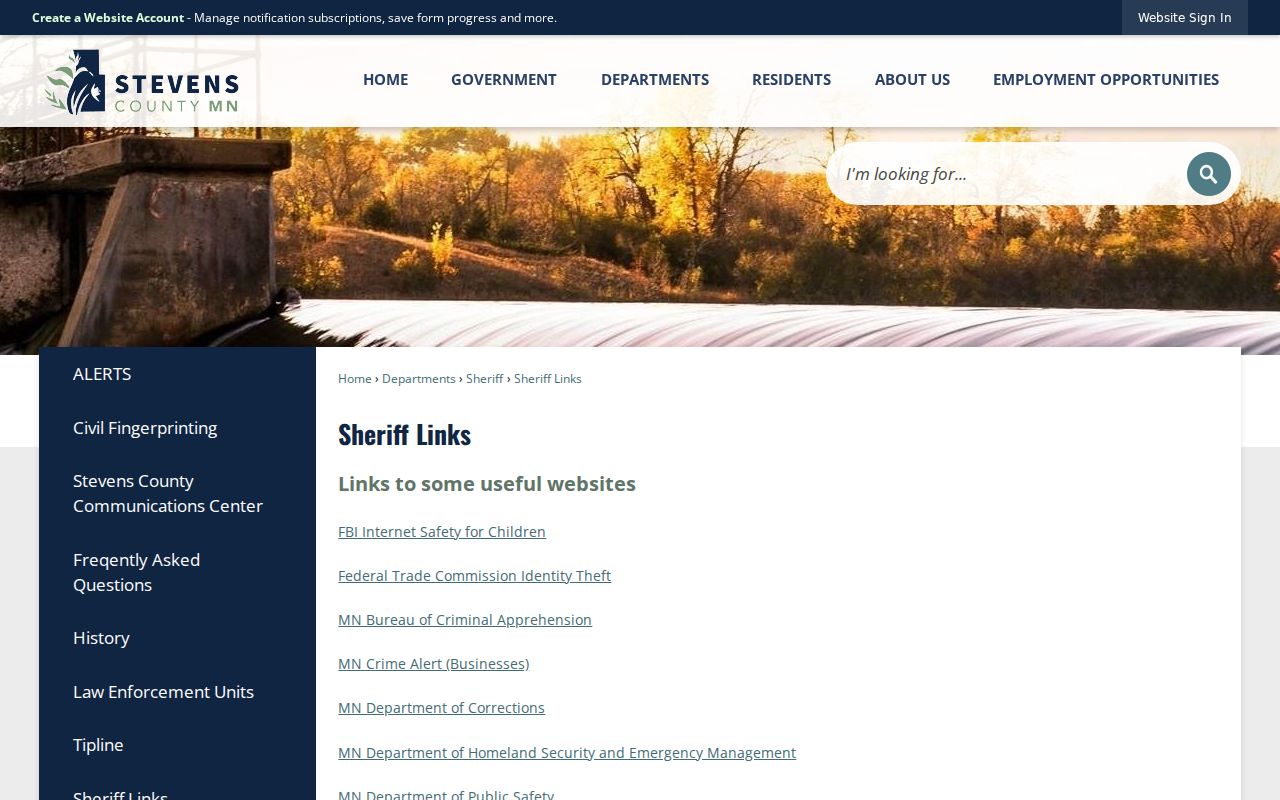
That links page is the office's closest thing to a public notice board. Nothing on it names a person. Note: a missing Stevens County most wanted list is not proof that no warrant exists here.
What a Stevens County Wanted Listing Shows
Agencies that run a most wanted program publish much the same fields every time. The shape of a notice tells a Stevens County reader what an official entry can and cannot show.
| Field | What It Would Show | Why It Matters |
|---|---|---|
| Case or warrant number | The court file the notice traces back to | Lets a reader ask the right court about status |
| Charge and statute | The offense the process rests on | Separates a charged offense from a conviction |
| Issuing court | The court that signed the process | Points to the office that can recall it |
| Agency contact | The office taking information | Keeps tips out of the wrong channel |
| Status and date | How current the entry is | Shows whether the notice still stands |
Stevens County publishes no interface of this kind today. The table only shows what one would look like. No person's name or photograph is listed here.
How the Most Wanted Lists Work
A most wanted list is curated, not complete. The agency picks a handful of cases, usually ones where public attention might help. Most of its open warrants stay out of view. That choice is about publicity, not about which warrants exist. A full warrant inventory is a different record from a curated list. One aims to be complete and stays out of public reach. The other is selective, written to gather tips rather than to count everyone sought. Stevens County posts no update schedule for one simple reason: it runs no such program. Where an agency does, read the entry date on each notice first.
No Stevens County Reward Program Was Found
Readers often assume a wanted notice comes with money attached. It does not here. Stevens County and its city pages list no Crime Stoppers chapter, no reward amount, and no claim procedure. What the county does offer is a tip channel. The Tipline page takes non-emergency information about a case and explains anonymous and confidential use. It promises no payment. That line is for reporting, not for rewards. The distinction decides where a reader sends what they know: a case tip goes to the tip channel, while a warrant status question goes to the court. Note: an anonymous tip channel and a reward program are two different things, and only one of them exists locally.
Reporting a Tip Safely
Local information belongs with the agency already handling the case. Decide first whether it is an emergency, because the wrong channel in Stevens County can slow a response down.
Where a Tip Goes:
Call 911 when someone is in danger or a crime is in progress.
Use the county tipline for non-emergency information about a case or a person.
Do not put urgent details in an email, and do not approach anyone you believe is named in a notice.
A tip is not a warrant check. The person taking the call can route information, nothing more. Only the court or the Stevens County Sheriff's Office can speak to a specific record, and only to someone with a lawful reason to ask.
SWAT Is Not a Stevens County Wanted List
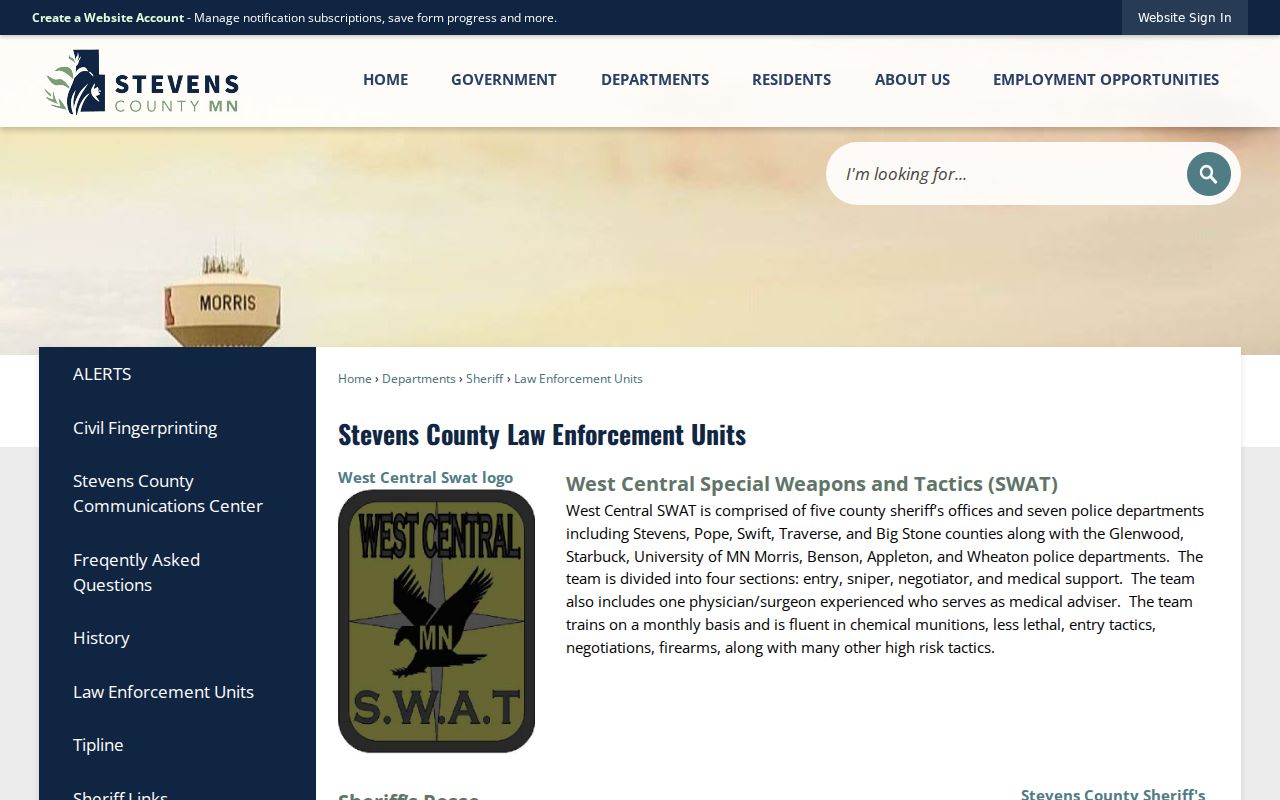
The regional tactical team serving this area draws on five counties and seven police departments. Members handle entry work, negotiations, and medical support. It is an operations unit, not a public register of people. The volunteer Posse, formed in 2006, supports festivals and search work rather than notices. Stevens County describes that partnership on its law enforcement units page, in the same section covering the Sheriff's Posse.
Most Wanted Lists vs Active Warrants
These two records answer different questions. One is a public appeal for tips, the other a working file, and confusing them sends a Stevens County reader to the wrong office.
| Point | Most Wanted List | Active Warrant Record |
|---|---|---|
| Who appears | A small selected group | Every open warrant in the system |
| Who publishes it | The agency running the program | Not published publicly at all here |
| Why it exists | To gather tips from the public | To record court process and service |
| Reader action | Send information through the tip channel | Ask the court and the Sheriff about status |
The outstanding warrants page covers the working record in more depth.
North Star Task Force and Stevens County Warrants
Federal fugitive work runs on its own track. The U.S. Marshals Service district office for Minnesota operates the North Star Fugitive Task Force, and its coverage list includes Stevens County. The task force line is 612-664-5910. The district office sits at the federal courthouse in Minneapolis. Federal process is issued by a federal court and served by federal or partnered officers. It never shows up in a county case search or a state custody notification. A county office cannot recall federal process. A federal office cannot resolve a state file. When a reader cannot tell which system holds the matter, a federal clerk can say.
If You Think You Are on a List
Two safe moves exist, plus one rule. Call a lawyer, and call court administration about your own file in Stevens County. Do not go looking for whoever published the notice.
Do Not Approach Anyone. A notice is not an invitation to make contact. If a warrant is open, appearing in person can lead to custody. Call the court first and ask what the file requires.
Stevens County posts no wanted list. A notice you find online may come from a private site with stale data, or it may name the wrong person entirely. For a real answer, the county warrant records home page names the two offices to call.
Why Stevens County Links Replace a Roster
Stevens County links work in place of a roster. When the county or a local agency posts an official most wanted page, readers get the link plus a plain description of what it holds. No names, photographs, or entries get copied here, and nothing gets pulled from a third-party page. There are two reasons for that. A listing can be served, recalled, or sealed between the day it goes up and the day a reader finds it, so any copy goes stale fast. Minnesota Statute 13.82, subdivision 19 also keeps arrest warrant index data confidential until the defendant is in custody, served, or appears, and a private page cannot widen that protection. Pointing to the official source is the version that actually helps someone checking on outstanding warrants.
Confirming a Stevens County Warrant Status
With no public list to check, confirming a Stevens County warrant status runs through two offices. Court administration can say what the file shows and what the next setting is. The Sheriff's Office can say whether the process is active, and whether it has been served or inactivated. The state case search is the public starting point. The Judicial Branch is clear that it is not a warrant database. The state's own government access FAQ says the system does not identify all active warrants or warrant history for a party, so a clean result there settles nothing about an outstanding warrant.
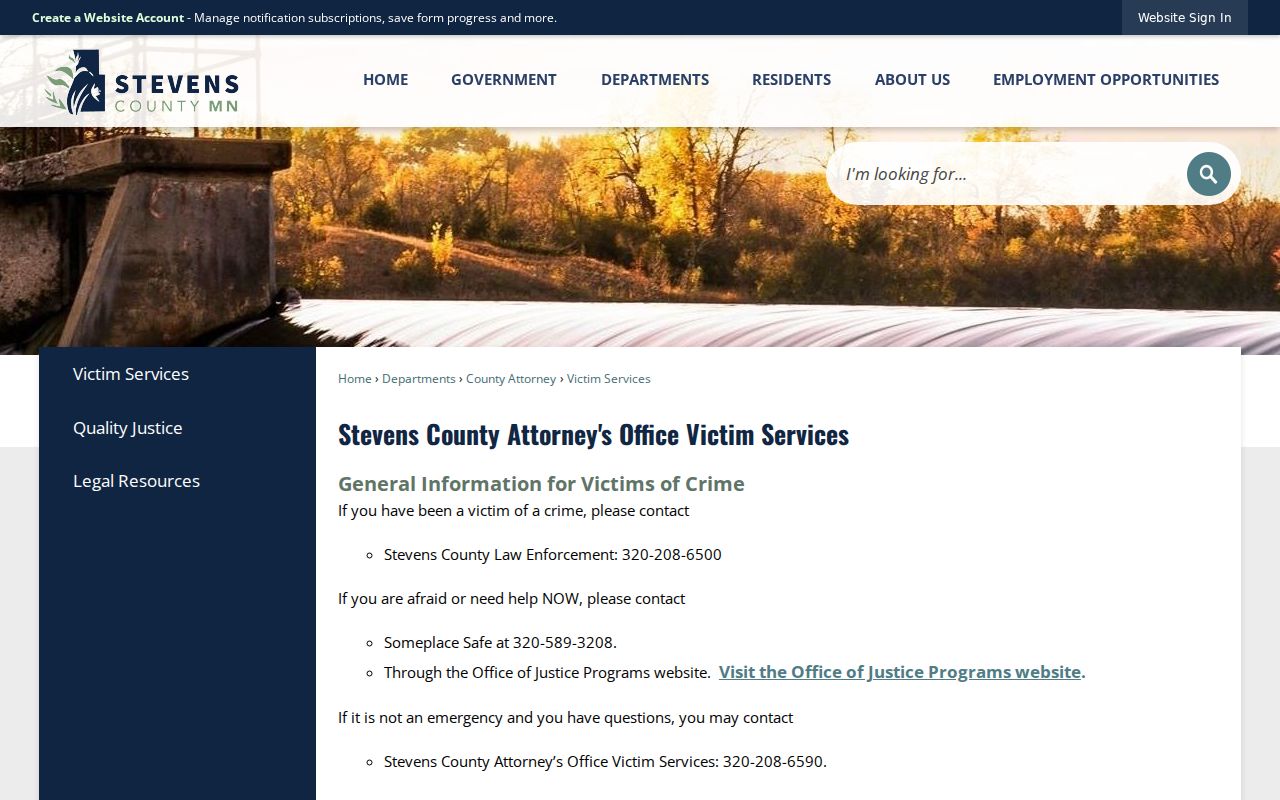
That page walks through what happens in the court process once a person is taken into custody. Custody notification is a third, separate service. The state VINE line reports custody status, not the existence of an unserved Stevens County warrant.
No Fugitive of the Week in Stevens County
Stevens County runs no fugitive-of-the-week program, so no weekly, monthly, or as-arrested posting exists anywhere. A reader who expects a rotating notice may keep checking a page that will never update. The Sheriff's history page does carry institutional photographs from several eras of the office, which is agency history rather than a public notice.
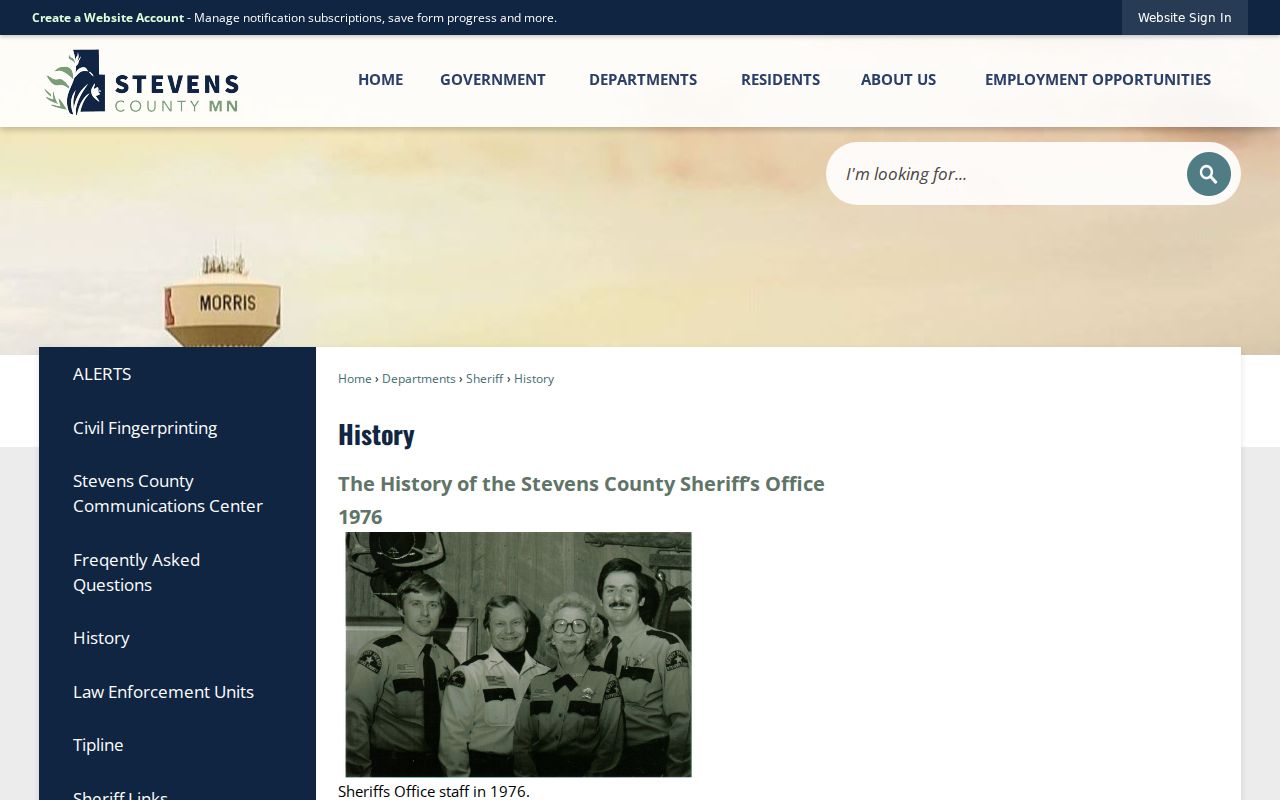
Records like that document the office, not the people it is looking for.